
Want to enhance Baltic deterrence? Start with traffic redesign
Lt. Col. Michael Carvelli in this op-ed explains how redesigning traffic infrastructure in the Baltic nations can better enhance deterrence in the region.
Lt. Col. Michael Carvelli in this op-ed explains how redesigning traffic infrastructure in the Baltic nations can better enhance deterrence in the region.

Five defense leaders from across the alliance share their thoughts directly with Breaking Defense readers.


A commitment to long-term operational value.

Five NATO defense chiefs laid out for Breaking Defense how they view the timeline until Russia could be ready to invade a NATO nation.
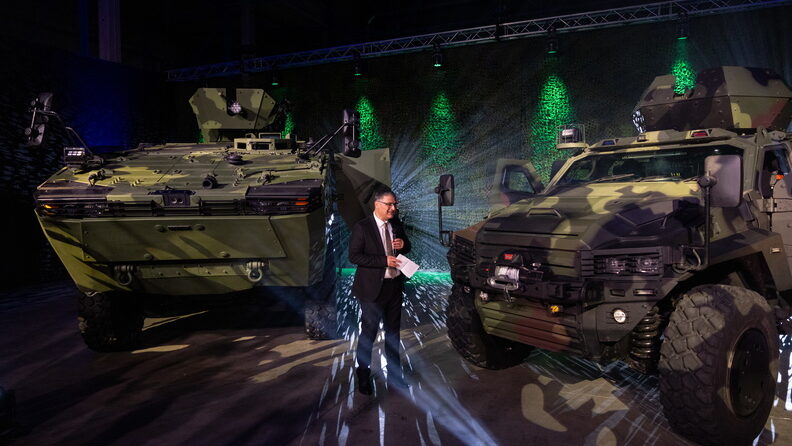
"All Baltic states are boosting military capabilities because of the mounting Russian threat," one expert said.
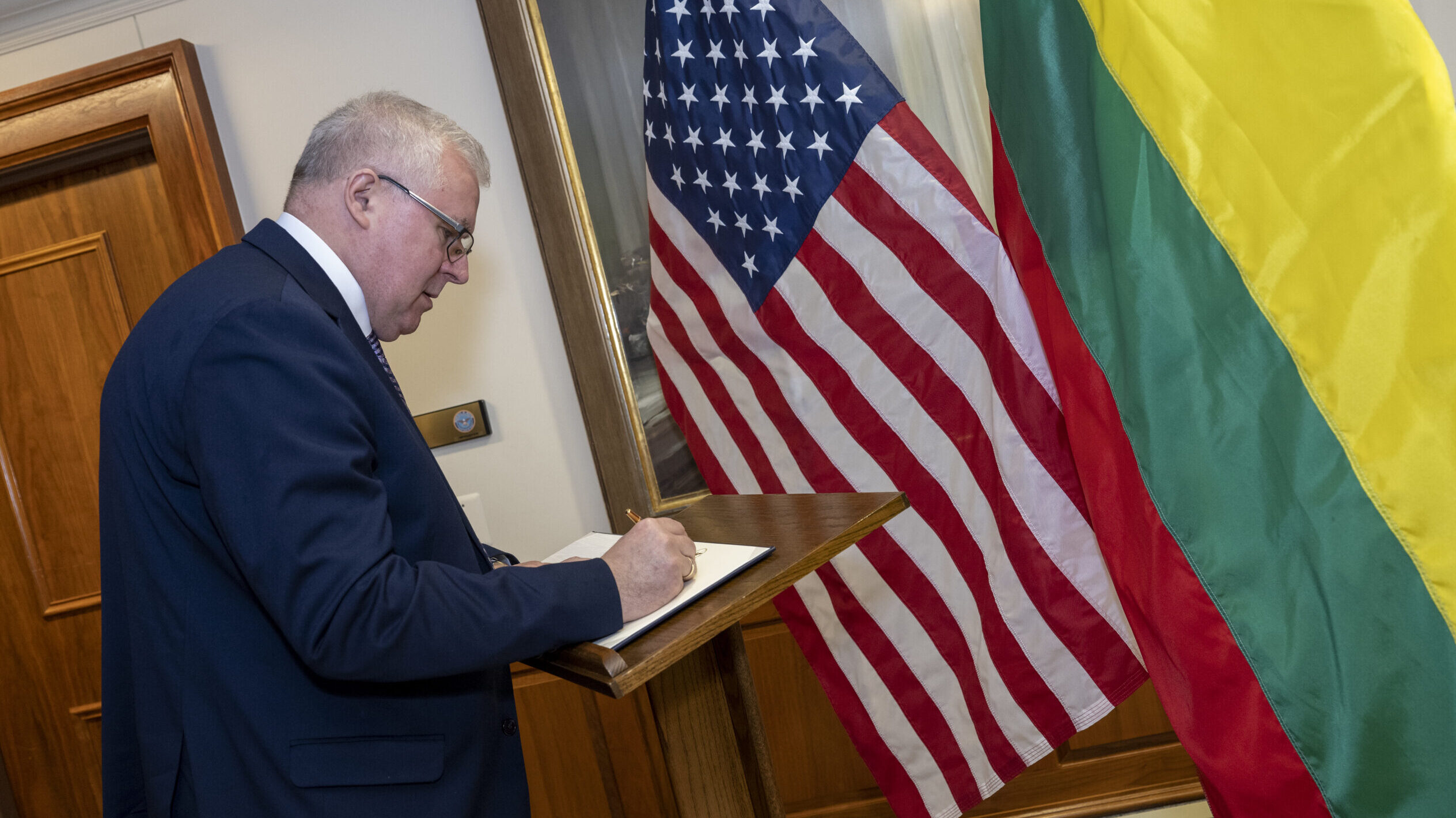
Lithuanian defense minister Arvydas Anušauskas spoke with Breaking Defense during a recent visit to Washington.

“I believe … that it's a Russian job,” Arvydas Anušauskas told Breaking Defense in an interview in Washington.

One commander, many robots: Fully autonomous ground vehicles are reshaping the battlefield.
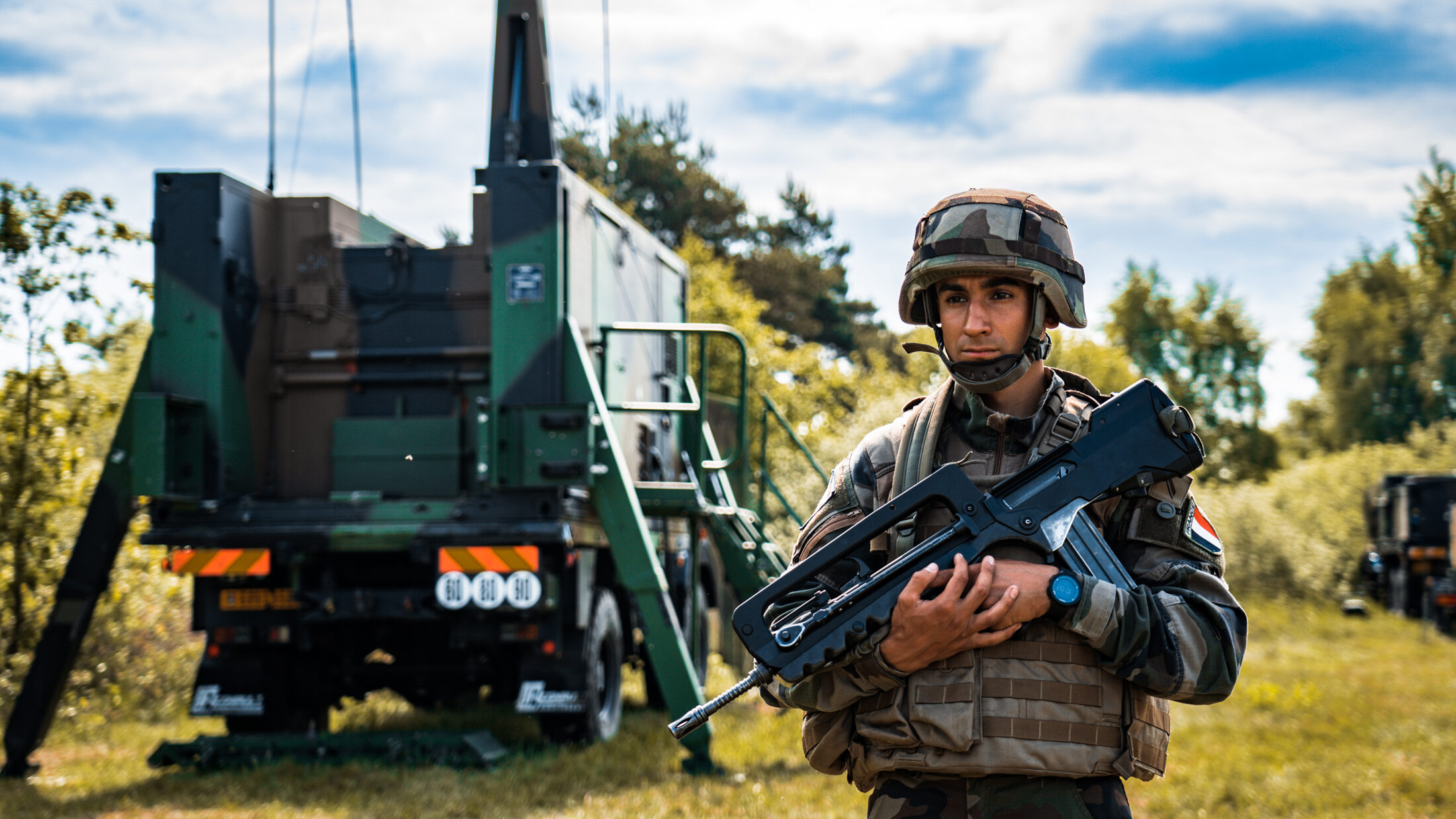
NATO likely will maintain a "semi-permanent" presence in Eastern Europe for many years to come, said retired Gen. Tod Wolters, former Supreme Allied Commander Europe.
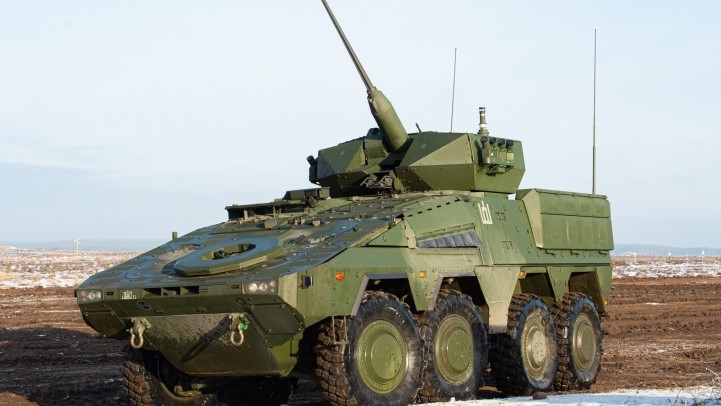
Despite small budgets, Estonia, Latvia and Lithuania are working to strengthen their ground forces to protect their borders with Russia.

Estonia will provide Javelin anti-armor missiles, while Lithuania and Latvia will provide Stinger anti-aircraft missiles and adjacent equipment.
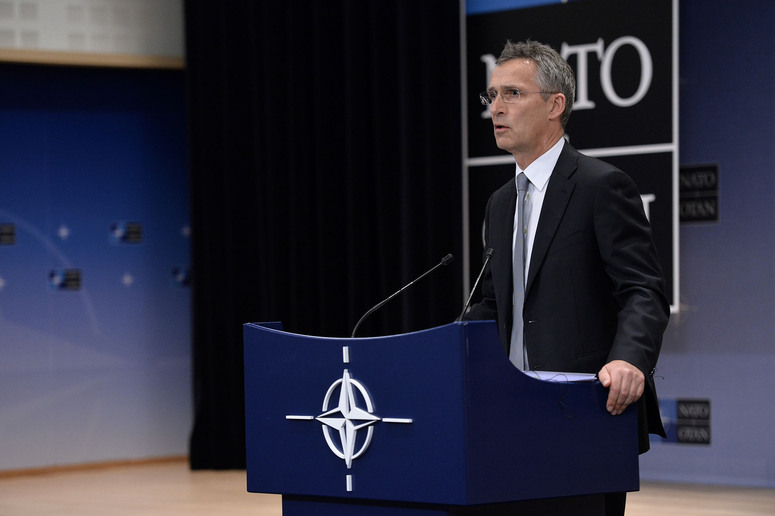
"It's no secret that over the last four years we had some difficult discussions inside NATO,” Secretary General Stoltenberg said. "But now we look to the future, and the future is that we now have an administration in the United States."


A decorated combat aviator and biotech CEO advocates preparing for novel viral threats before the next crisis.

President Trump proposed re-stationing 11,900 US troops from Germany back in July. The redeployment of some to other European countries, with others coming home produced an avalanche of criticism. Although Defense Secretary Mark Esper tried to put a strategic spin on the moves, the president promptly undermined him. Then, representatives of the administration went before Congress […]

It’s one small test for a robot, one tactical leap for robot-kind.

More ruthless prioritization, a laser focus on filling key capability shortfalls and better alignment of national, regional, and NATO plans will allow the alliance to solidify its place as the alliance of choice for decades to come.

“Long-range precision fires… would provide us the capability (to) either, for example, support the Air Force by suppressing enemy air defenses at hundreds upon hundreds of miles or support the Navy by engaging enemy surface ships at great distances as well,” said Army Secretary Mark Esper. But those examples are two distinctly different missions, each most relevant to a different theater of war.